1. Language and Cultural Barriers
Navigating medical care in a foreign country often means communicating in a different language and adapting to new cultural norms. Language barriers can sometimes complicate doctor-patient communication, making it difficult to fully understand treatment options, procedures, or important medical advice. Additionally, cultural differences may influence medical practices, patient interactions, and hospital protocols. Choosing a clinic with multilingual staff or a dedicated support team can help bridge these gaps and ensure that you’re comfortable throughout the process.
2. Legal and Regulatory Differences
Each country has its own laws and regulations governing fertility treatments, including IVF, egg donation, and surrogacy. Factors such as eligibility, treatment options, and rights to donor anonymity vary widely. For example, some countries have strict laws around embryo transfer limits or age restrictions for treatment. Understanding the legal landscape of your chosen destination is essential to avoid potential complications and to ensure that your chosen clinic follows ethical and legal standards.
3. Logistics and Travel Coordination
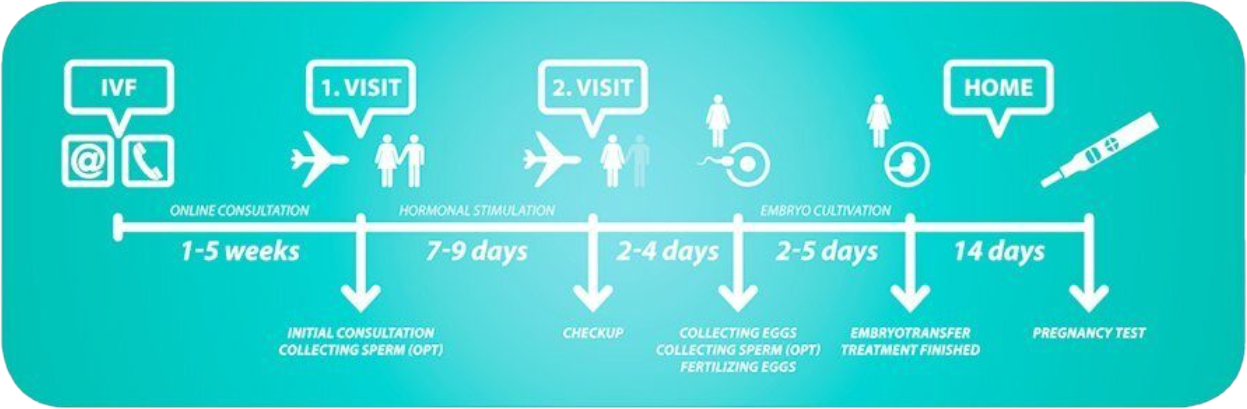
Traveling for medical treatment requires careful planning and organization, especially for procedures as intensive as IVF. You’ll need to coordinate flights, accommodations, transportation, and possibly even time off work. There may also be the added challenge of arranging for multiple trips if your IVF treatment requires several stages or follow-up visits. Additionally, factors like time zone differences and potential flight disruptions can add stress to an already complex process. Working with a specialized IVF travel coordinator or agency can help manage these logistical details.
4. Financial Considerations and Insurance Coverage
While IVF abroad can be more affordable than in some countries, the costs can still add up. Expenses like travel, lodging, and unforeseen medical expenses must be factored in. Additionally, not all insurance plans cover fertility treatments outside of your home country, meaning you may need to pay out of pocket. Verifying insurance options and understanding the full cost of your treatment abroad is crucial for financial planning.
5. Emotional and Physical Strain
IVF can be emotionally and physically taxing, and being in a foreign country away from your support system may amplify these challenges. Coping with the stress, side effects, and the emotional ups and downs of IVF without close family or friends nearby can be difficult. It’s important to consider how you’ll maintain support, whether through virtual communication with loved ones or by bringing a partner or friend with you. Some clinics abroad also offer counseling services, which can provide additional emotional support.
6. Follow-Up and Continuity of Care
After your treatment, you may require follow-up care, which can be challenging to coordinate once you return home. Ensuring continuity of care, sharing medical records, and getting access to post-treatment support are essential for a successful IVF outcome. Collaborating with your home healthcare providers and choosing a clinic with a comprehensive aftercare plan can help address this challenge.
7. Quality and Safety Concerns
Standards for medical care, equipment, and safety can vary significantly from country to country. Researching the clinic’s success rates, certifications, and reviews is essential to ensure you receive safe and high-quality care. Reputable clinics are typically accredited by international organizations and follow protocols that align with global medical standards.